“Sanctions, limitations have resulted in a worsening of the Afghan Economy”: Expert
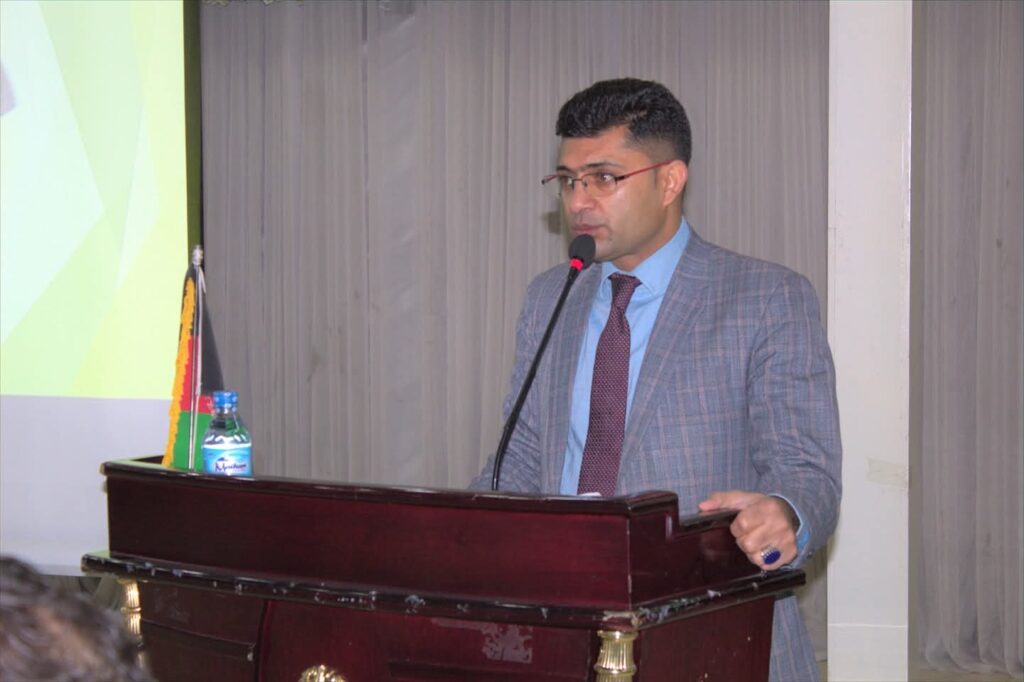
The visit of Afghanistan’s Foreign Minister Amir Khan Mutaqqi to India recently had trade and commercial engagement as a key component. Afghanistan is under severe financial stress. Frozen funds, sanctions against the ruling Taliban regime, natural disasters and war have all contributed to it. To understand the situation Mark Kinra spoke to Kabul-based banker Ahmadullah Ghurzang. With a decade of experience, he did his graduation from India
Excerpts:
What is the difference between Banking under Regimes before Taliban and now under Taliban and how much work has changed?
Before Taliban (pre-2021), the banking sector pre-Taliban was relatively more integrated the globe and global financial system. Whereas, the open environment for financial transactions were smooth and on time.
In the that era economy was diversified and connected to the banking system the most of the trade activities were connected to the banking and financial system.
The banking system supported the businesses, by facilitating the international transactions via SWIFT and also locally by disbursing loans and other banking services.
Under Taliban (post-2021), after the collapse of the previous government the banking system faced many challenges. A sudden disconnection of local banks with the international banks, pause in the correspondent banking relations and sanctions put the banking system under immense pressure, limited access to international banking networks, and a reliance on informal mechanisms like Hawala. The work has shifted from routine banking activities to managing crises, dealing with sanctions, and maintaining basic financial services under strict constraints
The work load has increased due to management of crises, liquidity issues, shortage of fund, frozen deposits with foreign banks and the most important is gaining the trust of the people back.
There have been reports that Afghan Banking system is under strict constraints, due to sanctions and frozen assets. What do you have to say?
Yes, there are [for one] sanctions from abroad. The Taliban and associated organizations are subject to sanctions from numerous nations and international organizations. These sanctions limit access to global financial markets, restrict banking transactions, and prohibit foreign banks from freely operating in Afghanistan. Consequently, the banking industry is unable to participate completely in international financial networks.
Second, [there are] assets that are froze. Afghanistan’s national reserves, estimated to be worth billions of dollars, are frozen overseas, mostly in the United States and other nations. These resources are essential for monetary policy, government operations, and liquidity. Afghan banks’ capacity to fulfill withdrawal requests and conduct regular business is significantly hampered by the freeze of these monies.
Third, restricted access to foreign aid and payments. International aid payments have been slowed down or delayed as a result of sanctions and frozen assets, which has affected the economy and banking system liquidity. Remittances, a lifeline for many Afghan families, are also impacted by this.
Next, operational challenge that banks encounter is the lack of liquidity, restricted access to foreign exchange, and limitations on international wire transactions. Daily banking operations, business ventures, and the provision of fundamental financial services are all hampered by these limitations
The limitations have resulted in a worsening of the economy, a rise in poverty, and a dependence on unofficial banking systems like Hawala, which, although deeply embedded in culture, present hazards of illegal activity and diminish transparency.
Before Taliban, 90% of the financial transactions happened through Hawala. What is the situation now, do people still prefer hawala and what is its impact on Afghanistan’s Economy?
According to estimates, Hawala, an unofficial money transfer system ingrained in local culture and trust networks, accounted for between 60 and 90 percent of all financial transactions in Afghanistan prior to the Taliban takeover. Hawala was favored due to its accessibility, rapidity, and ease of use, particularly in a nation with a weak official banking system.
Many Afghans still mostly rely on Hawala for remittances, everyday transactions, and business interactions, even though the formal banking sector has been disrupted by sanctions, frozen assets, and limited banking services. Particularly in underserved and rural areas where official banking services are limited or unreliable, the informal sector continues to be an essential financial lifeline.
Hawala has become even more significant as a result of the restrictions on conventional banks. Hawala is used by some actors to get around money shortages, international sanctions, and banking limitations.
Do you think Taliban needs to put more effort in getting mainstream and getting recognition from countries?
Indeed, it is widely believed that the Taliban and the stability and advancement of Afghanistan will benefit from increased international recognition and integration into the world community. The following justifies the importance of stepping up efforts to get widespread recognition:
As an Afghan who is a product of Indian education system, do you think Taliban needs to start working on education more and also send its students out, including girls
Indeed, it is quite advantageous for the Taliban to place a high priority on education, especially the education of young women and girls, from an educational and developmental perspective.
The following justifies the importance of education:
Development of Human Capital. Education is essential for both national advancement and personal empowerment. People with higher levels of education support social stability, innovation, and economic prosperity.
Gender Inclusion. Educating women and girls promotes more societal development, better household income, and better health. Long-term social and economic development is hampered when girls are excluded from school.
International Legitimacy and Relations: By promoting international support and aid, particularly for females and minorities, progressive educational programs can promote diplomatic recognition and economic cooperation.
Breaking the Cycles of Extremism and Poverty: Education can be a means to promote more moderate, tolerant viewpoints and counter extremist beliefs, lowering the likelihood of radicalization and violence.
Encouraging study abroad opportunities can introduce Afghan students to a range of viewpoints, promote intercultural understanding, and develop future leaders who are better educated and more globally connected.
About The Author
