India Inc hikes prices, shrinks packs as Iran war squeezes margins
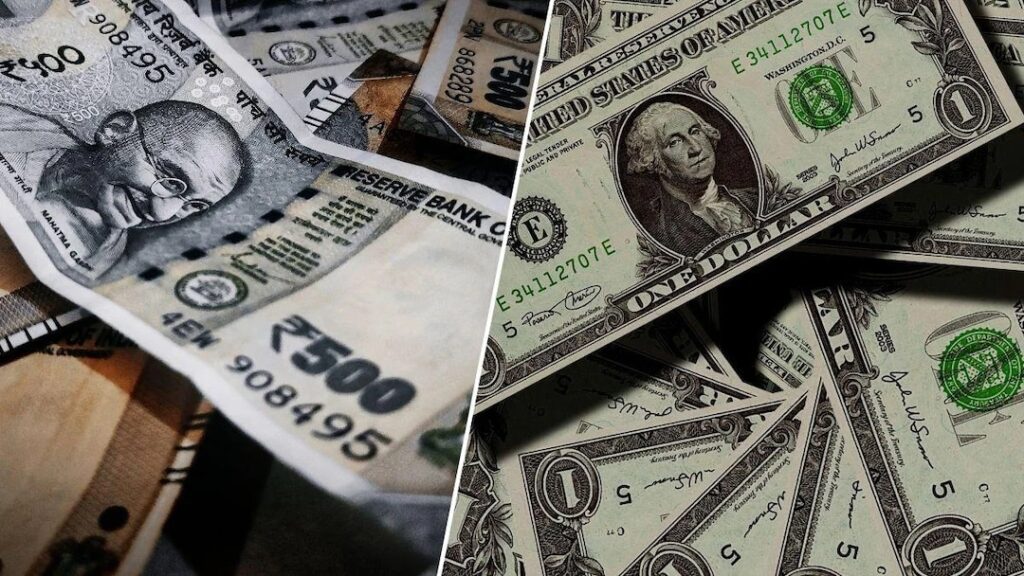
The U.S.-Israeli war on Iran has disrupted trade routes and lifted input costs globally, hitting import-reliant economies like India harder, where a weaker rupee is adding to inflation and complicating pricing decisions as demand remains uneven.
“We are among the world’s most vulnerable countries,” economist Jayati Ghosh said, warning higher oil and fertiliser costs, weaker Gulf demand, softer remittances and potential capital outflows could stoke inflation and slow growth.
Consumer goods makers Hindustan Unilever (HLL.NS), opens new tab, Godrej Consumer Products (GOCP.NS), opens new tab and Dabur India (DABU.NS), opens new tab have already rolled out low- to mid-single-digit price hikes across categories, with Britannia (BRIT.NS), opens new tab preparing similar moves.
Advertisement · Scroll to continue
Pricing power remains weak in mass segments, with companies holding the line on 10- to 20-rupee (11- to 21-cent) packs and shrinking product sizes instead of raising prices outright.
“We are reducing grammage because we can’t breach those price points,” said Mohit Malhotra, global CEO at Dabur.
Automakers Maruti Suzuki (MRTI.NS), opens new tab, Mahindra & Mahindra (MAHM.NS), opens new tab, Tata Motors Passenger Vehicles (TAMO.NS), opens new tab and Hyundai Motor India (HYUN.NS), opens new tab have also hiked prices.
Advertisement · Scroll to continue
“We were left with no choice,” said Partho Banerjee, Maruti’s senior executive officer for marketing and sales, adding that raising prices was not good for customers, especially first-time buyers.
Airlines IndiGo (INGL.NS), opens new tab and Air India are trimming capacity, especially on fuel-heavy international routes, and increasing fares to offset higher aviation fuel costs.
Consumers are feeling the squeeze.
“I have no family to feed, no school fees, and no monthly payments on a car. I’m still watching my spending as prices are up for almost everything, from travel to packaged food,” said Aditi Anjana, a Mumbai-based communications professional who is in her 30s.
Belt-tightening Mode
With limited room to pass on costs, companies are turning inward and cutting costs to cushion margins.
Hindustan Unilever (HLL.NS), opens new tab has cut advertising spend, while others are trimming non-essential travel and marketing costs.
“The scope for further cost-cutting is gradually narrowing,” Axis Direct analyst Uttam Kumar Srimal said, adding prolonged commodity and fuel inflation could force sharper price hikes or margin hits.
Sectors with high global exposure, including aviation, oil and gas, chemicals, logistics and capital goods, may remain under margin pressure, said Shweta Rajani, associate director at Anand Rathi Wealth.
Resetting Supply Chains
Firms are also reworking supply chains to manage disruptions. Companies with Middle East exposure are rerouting shipments, diversifying sourcing, and shifting production.
Dabur, an Indian rival of Colgate-Palmolive, is using alternative routes via Egypt and Turkey, while packaged goods maker Britannia is bringing some production back home.
Some firms are also front-loading purchases and closely tracking demand to avoid overstocking, underscoring tighter working capital discipline.
Arvind Fashions (ARVF.NS), opens new tab has advanced inventory buys to lock in costs and is relying more on local suppliers, while Tata Group retailer Trent (TREN.NS), opens new tab is tweaking raw materials, packaging, and product development.
“My priority is not to take prices up,” said Umashan Naidoo, head of customer and beauty at Trent, which offers Gen-Z-focused affordable trendwear through its brand Zudio. ($1 = 94.9450 Indian rupees)
About The Author
