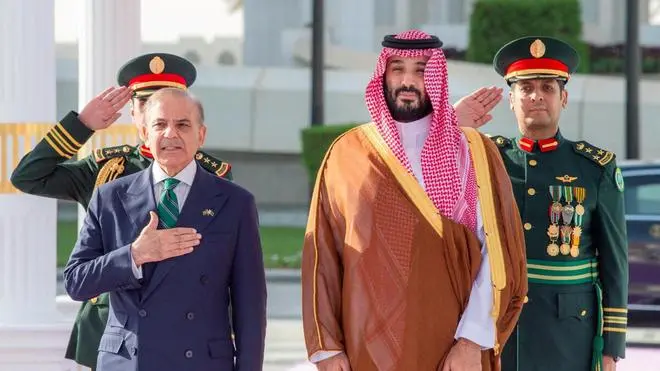
Pakistan places $1.5 billion Sudan weapons sale on hold after Saudi objection: Reuters
6 months ago
The refusal comes amidst a brutal power struggle going on currently between Sudan’s army and the paramilitary Rapid Support Forces.
IAR Desk
Pakistan has put a $1.5 billion deal to supply weapons and jets to Sudan on hold after Saudi Arabia asked for the agreement to be terminated, a Reuters report of April 20, said. According to sources in Pakistan it would not finance the purchase.
The refusal comes amidst a brutal power struggle going on currently between Sudan’s army and the paramilitary Rapid Support Forces. It has created the world’s worst humanitarian crisis for around three years. Sudan has turned into a ground for a proxy battle between competing powers, something that is threatening it’s break up.
While Saudi Arabia supports the Sudanese Army, the UAE is understood to be supporting the paramilitary Rapid Support Forces.
In January, Reuters had reported that a deal was in the final stages in January and had been brokered by Saudi Arabia, but no financing from Riyadh was disclosed at the time. The deal was among several defence sales being negotiated by the Pakistani military after its jets and weapons systems gained prominence following skirmishes with India in May last year, reported Reuters.
“Saudi Arabia has signaled that Pakistan should terminate the deal after it dropped the idea of financing it,” one of the security sources quoted by Reuters said.
Pakistan and Saudi Arabia share a long defence and economic ties. In a classic case of client -patron relationship Saudi Arabia has for long been bankrolling Pakistan ‘s economic obligations through deferred loans and grants.
Most recently, Saudi Arabia provided Pakistan with a payment of $3 billion, to enable the country to pay off it’s loan to the UAE.
Last year the two sides signed the Saudi Pakistan Strategic Mutual Defence Agreement (SDMA), whereby both parties will treat aggression against either as an attack on both.
Given Pakistan’s dire economic conditions and dependence on Saudi Arabia, it will have little choice but to adhere to Saudi instructions.