Pakistan still seeks to bridge US, Iran gaps despite failure of face-to-face talks
With the warring sides still seemingly far apart on issues including Iran’s nuclear ambitions and access through the crucial Strait of Hormuz, oil prices resumed their upward march when trade reopened on Monday. Brent crude was up around 2.5% at around $108 a barrel.
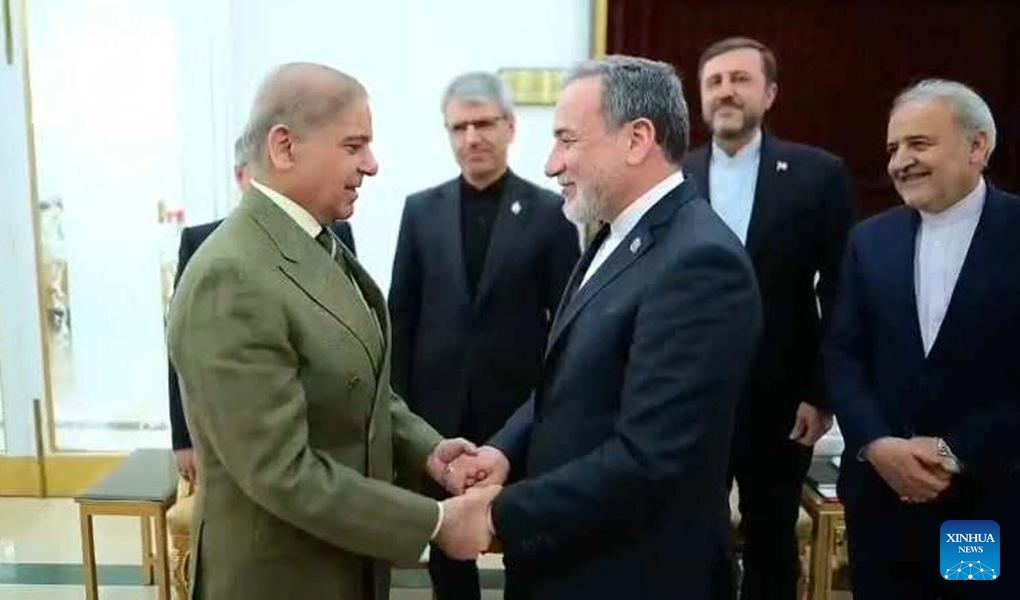
Reuters
WASHINGTON/ISLAMABAD, April 27 (Reuters) – Work has not halted to bridge gaps between the United States and Iran, sources from mediator Pakistan said, despite the failure of face-to-face diplomacy after Donald Trump called off a trip by his envoys and told Iran to phone when it wants a deal.
Hopes of reviving peace efforts have receded since the U.S. president scrapped a visit on Saturday by his envoys Steve Witkoff and Jared Kushner to Islamabad, the Pakistani capital, where Iranian Foreign Minister Abbas Araqchi shuttled in and out twice over the weekend.
Araqchi, who also visited Oman, arrived on Monday in Russia to meet President Vladimir Putin, a longstanding ally.
With the warring sides still seemingly far apart on issues including Iran’s nuclear ambitions and access through the crucial Strait of Hormuz, oil prices resumed their upward march when trade reopened on Monday. Brent crude was up around 2.5% at around $108 a barrel.
“If they want to talk, they can come to us, or they can call us. You know, there is a telephone. We have nice, secure lines,” Trump told “The Sunday Briefing” on Fox News.
ISLAMABAD REOPENS AFTER LOCKDOWN TO HOST TALKS
“They know what has to be in the agreement. It’s very simple: They cannot have a nuclear weapon; otherwise, there’s no reason to meet,” Trump said.
In a sign that no face-to-face meetings are planned any time soon, streets reopened in Pakistan’s capital Islamabad, which had been locked down for a week in anticipation of talks that never took place. The luxury hotel that had been cleared out to serve as a venue was again taking reservations from the public.
Pakistani officials said negotiations were still taking place remotely, but there were no plans to convene a meeting in person until the sides were close enough to sign a memorandum.
“The draft will be negotiated remotely till they reach some consensus,” said a Pakistani source familiar with the negotiations.
Although a ceasefire has paused the U.S.-Israeli strikes on Iran that began on February 28, no agreement has been reached on terms to end a war that has killed thousands, driven up oil prices, fuelled inflation and darkened the outlook for global growth.
Both sides could be settling in for a test of wills to see who can endure economic pain before making concessions.
Iran has largely blocked all shipping apart from its own from the Gulf through the Strait of Hormuz since the war began. This month, the United States began blockading Iranian ships, which Iran says must be halted as a condition for talks.
TRUMP FACES DOMESTIC PRESSURE TO END WAR
After Araqchi’s first weekend visit to Islamabad, a Pakistani official said he had delivered a new Iranian proposal and criticism of the U.S. proposal, without providing details.
News site Axios reported that the Iranian proposal would discuss ending the war and reopening the strait as first steps while leaving nuclear negotiations for a later stage.
With his approval ratings falling, Trump faces domestic pressure to end the unpopular war. Iran’s leaders, though weakened militarily, have found leverage in negotiations with their ability to stop shipping in the strait, which normally carries a fifth of global oil shipments.
While Araqchi met Pakistani officials, Trump, speaking in Florida on Saturday, said he cancelled his envoys’ visit due to too much travel and expense for what he considered an inadequate Iranian offer. Iran “offered a lot, but not enough,” he said. Iranian officials had already played down any suggestion that Araqchi might meet Americans while in Islamabad.
FIGHTING INTENSIFIES IN LEBANON
Fighting has intensified in Lebanon, where Israeli strikes killed 14 people and wounded 37 in the south on Sunday, according to the health ministry, making it the deadliest day since a U.S.-brokered ceasefire was agreed in mid-April.
Iran says it will not hold talks on the wider conflict unless a ceasefire also holds in Lebanon, which Israel invaded in March in pursuit of the Iran-backed group Hezbollah, which fired across the border in support of Tehran.
Israel and Hezbollah blame each other for violating the truce, which was agreed between Israel and the Lebanese government in Washington and extended last week.
Israeli forces have ordered hundreds of thousands of people out of their villages and have been bulldozing homes where they say Hezbollah fighters operated. The military warned residents on Sunday to leave seven more towns beyond the occupied buffer zone.
Reuters journalists on a vantage point across the border in northern Israel filmed columns of smoke rising into the sky above southern Lebanon and the constant sound of explosions.
About The Author
