Russia, China veto UN resolution on reopening Strait of Hormuz
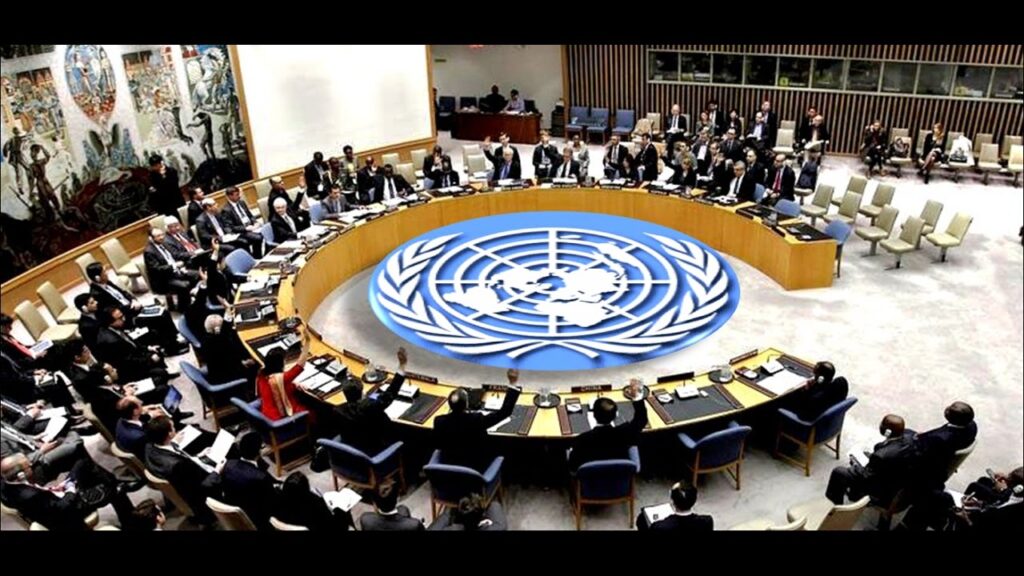
Russia and China vetoed a UN Security Council resolution Tuesday on reopening the Strait of Hormuz, a text already diluted from the green light Gulf states had sought to use force to protect the key shipping lane.
– With agency inputs
The draft resolution prepared by Bahrain and supported by the United States received 11 votes in favor, two against and two abstentions. Bahrain’s Foreign Minister Abdullatif bin Rashid Al Zayani said Gulf states “regret” the rejection of the measure, AFP reported.
The resolution, which was put to a vote today, Tuesday, focuses on maritime security and freedom of navigation, while encouraging states to coordinate on a “defensive” basis. Diplomats say the text has been weakened in recent days in an effort to avoid a veto.
The resolution states that all ships and aircraft “shall enjoy the right of transit passage, which shall not be impeded,” through the Strait of Hormuz, in accordance with international law, including the UN Convention on the Law of the Sea.
It “strongly encourages” states interested in commercial maritime routes in the strait to coordinate efforts “, defensive in nature” to ensure the safety and security of navigation, including escorting vessels and deterring attempts to obstruct international navigation.
At the same time, it sets legal limits, requesting that any such measures fully comply with international humanitarian law and applicable human rights law and respect the navigation rights of third states.
The draft “demands” that Iran immediately cease all attacks against merchant and commercial vessels and any attempts to impede transit passage or freedom of navigation in the Strait of Hormuz. It also calls for the cessation of attacks against civilian infrastructure, including water and desalination facilities, as well as oil and gas installations.
It further determines that Iran’s actions near and around the strait, including recurring threats and interference with navigation, constitute a threat to international peace and security.
The text also addresses wider maritime risks, condemning threats to navigation in both the Strait of Hormuz and the Bab al-Mandab, and warning that interference with international waterways poses a serious threat to global security.
It urges de-escalation in the Gulf, the Strait of Hormuz, and the Gulf of Oman, and calls for a return to diplomacy, while requesting regular reporting from the UN Secretary-General on further incidents.
The draft did not authorize the use of force. Instead, it confines itself to encouraging defensive coordination and reaffirming existing legal rights.
About The Author
