Kazakhstan: A Hub For Sustainable Economic Development
By Aditi Bhaduri
Kazakhstan as a hub for sustainable economic development is fast becoming a reality.
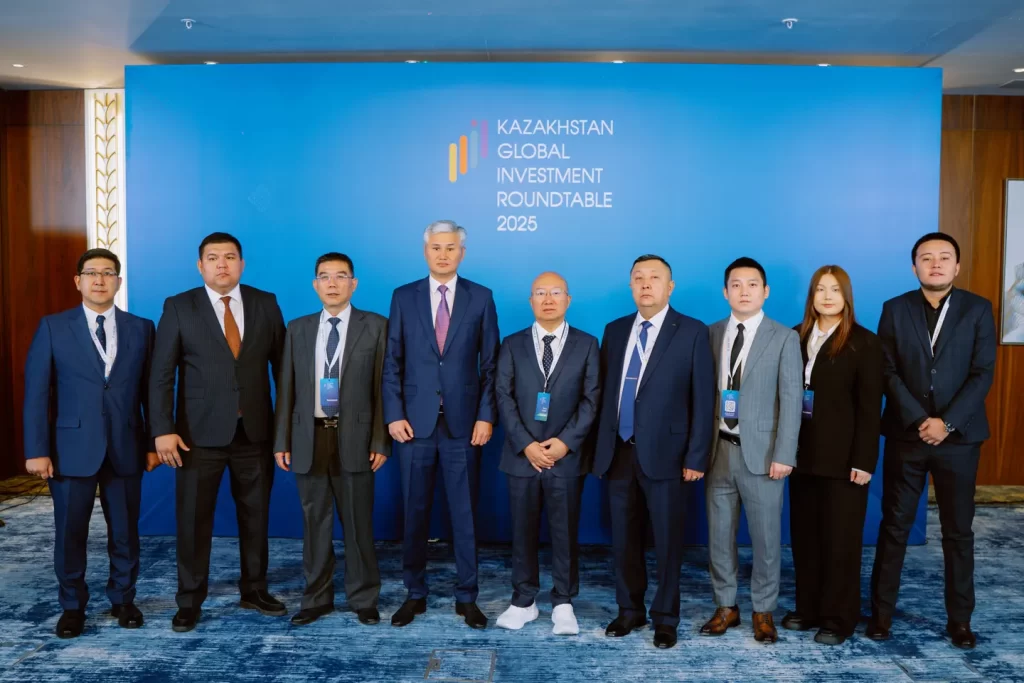
The recently concluded Kazakhstan Global Investment Roundtable (KGIR-2025) in Astana under the title “Global Investment Trends: Future Vision” was an eye opener of sorts.
Over 700 delegates from 40 countries, including government officials, C-levrl executives, major investors, experts, international and government organisations, the business community and media representatives.
During the round table, participants discussed current trends in global markets, their impact on investment strategies, and infrastructure development issues as a key factor for attracting international capital.
The sheer breadth and range of the program, with participants from across the world, the hi-tech arrangements, the sophisticated infrastructure-all indicate a new power center in the world, often overlooked or undermined.
Kazakhstan stands out as the largest and most resource rich country in the region
Kazakhstan is the 9th largest country in the world (2,724,900 km²), bordering Russia, China, Kyrgyzstan, Uzbekistan and Turkmenistan as well as the Caspian Sea. It has a 20.6 million population, with a GDP in 2023 of $ 288.1 billion. The country’s economy grew by 6 % in January – April, 2025.
In 2024, Kazakhstan attracted $15.7 billion in foreign direct investment for new projects, marking an 88% increase compared to the previous year.
Kazakhstan is an extremely resource rich country, its economy dependent on oil, gas, uranium, coal, and gold. It has the world’s largest known uranium deposits, and 19 of the 34 types of raw materials needed for major economies, including uranium, titanium, copper,
The Government provides comprehensive support for investment projects, which includes fiscal incentives, like exemption from Corporate Income Tax, VAT, Land Tax, and other subsidies. The country has also established 14 Special Economic Zones (SEZs) throughout its territory, which offer well-developed infrastructure and a wide range of investment preferences.
About The Author
